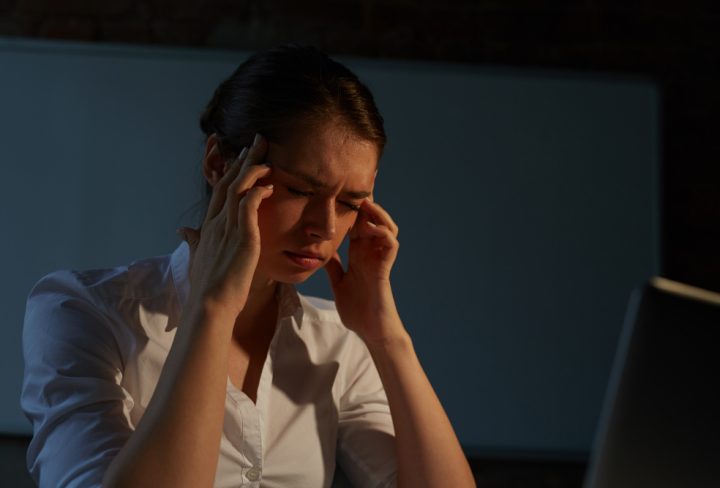
What Are Migraines?
Migraines are not just bad headaches. They are a type of brain disorder that can cause severe pain and other symptoms. According to the World Health Organization, migraines affect about one in seven people worldwide. For many, migraines can make daily life very hard. Because of this, it is important to understand what migraines are and how they differ from regular headaches.
Symptoms of Migraines
Many people think migraines only cause head pain. However, migraines can bring many symptoms. These symptoms often happen in stages. For example, you may notice warning signs before the pain starts. Common migraine symptoms include:
Because these symptoms can last from a few hours to several days, migraines can disrupt work, school, and family life.
Causes and Triggers
Doctors do not know the exact cause of migraines. However, they believe changes in brain chemicals and nerves play a role. Migraines often run in families, so genetics matter. Still, certain triggers can make migraines more likely. For instance, common migraine triggers include:
Because triggers can be different for everyone, it helps to keep a diary to track what brings on your migraines.
How Migraines Differ from Regular Headaches
Many people ask about the difference between migraine and headache. While both cause pain, migraines are more severe and come with extra symptoms. For example, regular headaches usually do not cause nausea or vision changes. Migraines can last longer and may need special treatment. In contrast, most headaches go away with rest or simple pain medicine.
Diagnosis and When to Seek Help
If you have frequent or severe headaches, you should see a doctor. Early diagnosis can help you find the right migraine treatment. Doctors often ask about your symptoms, family history, and triggers. Sometimes, they may order tests to rule out other problems. If you have sudden, very bad headaches, or if you notice changes in your vision or speech, seek help right away.
Treatment Options
There are many ways to treat migraines. Some people need medicine to stop a migraine once it starts. Others take medicine every day to prevent attacks. Common migraine treatment options include:
Because not all treatments work for everyone, it is important to talk with your doctor about what is best for you.
Lifestyle Tips for Managing Migraines
Besides medicine, lifestyle changes can help manage migraines. For example, you can:
Because triggers can vary by location, people living in hot or humid areas should stay cool and hydrated. In cold regions, sudden weather changes may be a trigger, so dress warmly and avoid sudden temperature shifts.
Prevention Strategies
Preventing migraines is possible for many people. You can try these migraine prevention tips:
Because prevention works best when you know your triggers, share your diary with your doctor for better care.
Living with Migraines: Real-Life Impact
Living with migraines can be tough. Many people miss work or school because of their symptoms. Some feel anxious about when the next attack will come. However, with the right support and treatment, most people can still enjoy life. Support groups and talking with others who have migraines can help you feel less alone. Remember, you are not alone in this journey.
If you or a loved one experiences migraines, consult a healthcare professional for personalized advice.